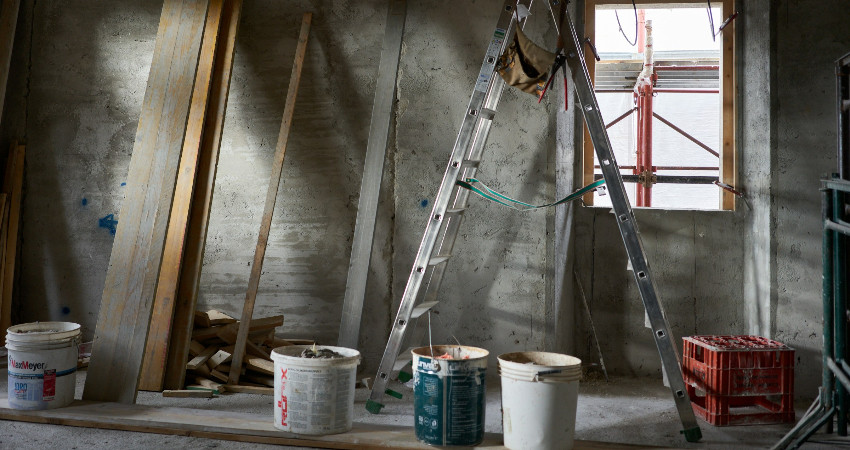
Think about the last time your institution fixed a leaking roof. Was it routine work, or was it a rushed job after damage had already spread?
Many institutions react to problems instead of preventing them. That’s expensive, risky, and often disruptive.
If you manage a school, hospital, college, or government facility, regular maintenance is not optional. It’s how you keep things running smoothly.
Let’s explore the real benefits of scheduled maintenance—and how it can save you money, protect your people, and keep your reputation intact.
1. Prevents Costly Repairs
Small issues grow fast when ignored. A cracked tile today could lead to water damage tomorrow. A faulty switch could trigger a fire. Regular checks catch these problems early.
What this means for you:
- Fewer emergencies
- Less downtime
- Lower repair bills
For example, repainting metal gutters every 2 years can stop rust and water leakage. Fixing them after they rot will cost much more, plus you’ll deal with stained walls or ruined foundations.
2. Improves Safety
Your facility hosts people every day—students, patients, staff, and visitors. Their safety is your responsibility.
Without routine maintenance, you expose them to risks like:
- Loose electrical fittings
- Slippery walkways
- Broken handrails
- Unstable ceilings
In schools, cracked floors or missing tiles can lead to student injuries. In hospitals, faulty lighting or leaking pipes in patient rooms can compromise care.
Maintenance keeps everyone safe—and helps you avoid lawsuits or bad press.
3. Increases the Lifespan of Buildings and Equipment
Well-maintained buildings last longer. So do systems like plumbing, air conditioning, and elevators.
Here’s what regular servicing does:
- Extends the life of HVAC units by 5–10 years
- Keeps water systems clean and functional
- Reduces wear on high-traffic areas like corridors and staircases
You don’t need to wait until something fails. Treat your assets as investments worth protecting.
4. Saves Money in the Long Run
Maintenance costs money, but repairs and replacements cost much more.
Here’s a breakdown:
| Task | Regular Maintenance | Emergency Repair |
|---|---|---|
| Fixing roof leaks | KES 15,000/year | KES 200,000+ after ceiling collapse |
| Servicing generator | KES 8,000 every 3 months | KES 180,000 engine overhaul |
| Cleaning gutters | KES 5,000/year | KES 60,000 to fix water damage |
Plan for maintenance, and you control the budget. Ignore it, and you lose control.
5. Supports a Better Working and Learning Environment
Would you want to study in a damp, poorly lit classroom? Or work in an office with flickering lights and bad ventilation?
Regular maintenance directly improves the experience of your users:
- Clean classrooms boost focus and attendance
- Quiet, working AC helps hospital staff stay alert
- Functioning water systems promote hygiene
Institutions serve people. People perform better in clean, safe spaces.
6. Enhances Your Reputation
Visitors notice everything. Cracked paint. Dirty floors. Foul smells.
A well-maintained building tells people that you’re organized and responsible. It shows that you care about your staff, students, or patients.
It also helps with:
- Accreditation audits
- Parental or donor trust
- Staff retention
Good maintenance gives a good first impression—and that impression lasts.
7. Helps with Compliance and Insurance
In Kenya, public and private institutions must comply with health and safety codes. Failing to maintain your building could lead to fines, closure, or denied insurance claims.
Regular inspection records help you prove compliance.
They also support insurance claims when disasters happen. If a fire breaks out, your insurer will ask for maintenance logs before paying out.
No logs? No compensation.
8. Promotes Energy Efficiency
Old or dirty systems waste energy. Maintenance helps reduce power bills.
Examples:
- Serviced air conditioners cool faster using less electricity
- Repaired doors and windows reduce heat loss
- LED light replacements save up to 60% on lighting costs
Your institution can save thousands every year just by checking systems regularly.
9. Allows for Better Budget Planning
With a maintenance schedule, you can predict expenses and avoid surprise costs.
Break down your budget like this:
- Monthly tasks: Cleaning, small repairs
- Quarterly: Plumbing and electrical checks
- Annually: Painting, roofing checks, pest control
This keeps you prepared. No more begging for emergency funds mid-year.
10. Minimizes Downtime
When systems fail, work stops.
A broken water pipe might close an entire wing. Power outages halt IT systems. Damaged roofs cancel classes.
Routine maintenance keeps everything working—and keeps your team focused on what matters.
What You Can Do Today
If your institution doesn’t have a maintenance plan, start small:
- Create a checklist of key areas: roofs, floors, plumbing, electrical
- Assign monthly and quarterly tasks
- Train staff to report issues early
- Keep simple records of inspections and fixes
You don’t need a big team to start. Just a commitment to care for what you already have.
What’s the current state of your institution’s buildings?
Are you waiting for problems, or preventing them?
Maintenance isn’t glamorous. It’s not loud. But it’s what makes your institution strong, reliable, and respected.
Start now. Small steps today will save you big problems tomorrow.