Choosing the right construction company in Kenya can save you time, money, and future regrets. Whether you're building a house, school, or office, the decisions you make at the start will follow you long after the last brick is laid.
Here’s how to make the right call.
1. Start With the Basics: Are They Registered?
Always check if the company is registered with the National Construction Authority (NCA). You can search their company name on the NCA portal and confirm their registration category.
- For residential buildings, NCA 6 and above is acceptable.
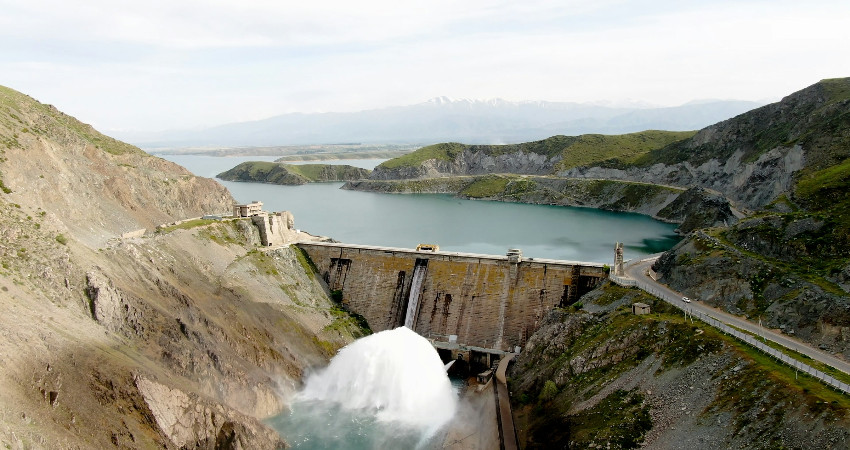
- For roads, dams, and complex projects, look for NCA 1–4.
If they’re not listed, walk away.
2. Look at Their Past Work
A company’s track record says more than any marketing pitch.
Ask for:
- Project photos with dates and locations
- Site visits (if possible)
- References from previous clients
If they’ve built a school in Kisii, a road in Nairobi, and boreholes in Baringo, that’s variety. You want proof, not promises.
3. Experience in Your Type of Project
Not all contractors can do everything. A company that’s great at home renovations may struggle with large commercial buildings.
Here’s what to check:
- Have they done projects similar to yours?
- Do they understand your location’s conditions—soil type, local permits, weather?
- Do they have specialized teams (civil engineers, foremen, surveyors)?
Avoid hiring a company to "try something new" with your money.
4. Ask How Many Projects They Handle at Once
Too many clients = divided attention.
Good construction companies know their limits. Ask:
- How many projects are they currently running?
- How many teams do they have?
- Who will supervise your site?
You don’t want your site paused for weeks because the project manager is elsewhere.
5. Visit Their Office
An office says a lot. Is it professional? Organized? Are they open to meeting you in person?
If the only address is a Gmail account or a rented stall with no signage, think twice.
Companies like EAGO Co. Ltd, with offices at Muthaiga Suites, show structure and stability—something you need when investing millions.
6. Compare Quotations the Smart Way
Don’t just go with the lowest bid.
Ask:
- What materials are included?
- Who pays for approvals?
- Are labor, transport, and VAT part of the price?
A cheap quote might skip finishes or use substandard materials.
Get at least 3 quotes, but compare the scope, not just the cost.
7. Ask About the Team
Construction is teamwork.
Ask:
- Who’s the project manager?
- Will a quantity surveyor or architect be involved?
- Are the site foremen experienced?
8. Contracts Matter
Never start a project without a written contract. It should cover:
- Timelines and penalties for delays
- Payment schedules (avoid full payment upfront)
- Who provides materials
- Warranty terms
A company that avoids contracts might be planning to disappear halfway.
9. Know Who They Subcontract
Most companies don’t do everything in-house. Ask who handles:
- Plumbing
- Electrical work
- Roofing
You have the right to vet subcontractors. Poor wiring or plumbing can ruin a good structure.
10. Ask Questions—Lots of Them
If the contractor gets annoyed or vague, that’s a red flag.
Ask:
- How do you handle changes during construction?
- What happens if there's a delay in materials?
- Can you show me your insurance?
Their answers tell you more than their website ever will.
Red Flags to Avoid
- No NCA registration
- No written contract
- Unrealistically low prices
- No office or physical presence
- Avoiding questions or delaying responses
If you spot any of these, keep looking.
Bonus Tip: Talk to Past Clients
Call or visit someone they’ve worked for. Ask:
- Was the project completed on time?
- Did they keep to the budget?
- Any issues after handover?
First-hand experiences are the best review system you’ll ever find.
Choosing the right construction company isn’t just about technical ability—it’s about trust, transparency, and track record. Ask the tough questions, compare wisely, and trust your instincts.
You’re not just building a house. You’re building peace of mind.