Water and food are connected. You can't grow crops or keep livestock without reliable water. But in many parts of Kenya, rain is unpredictable. Some areas go dry for months. Others flood and then dry out again.
That's where dams come in.
What Is a Dam?
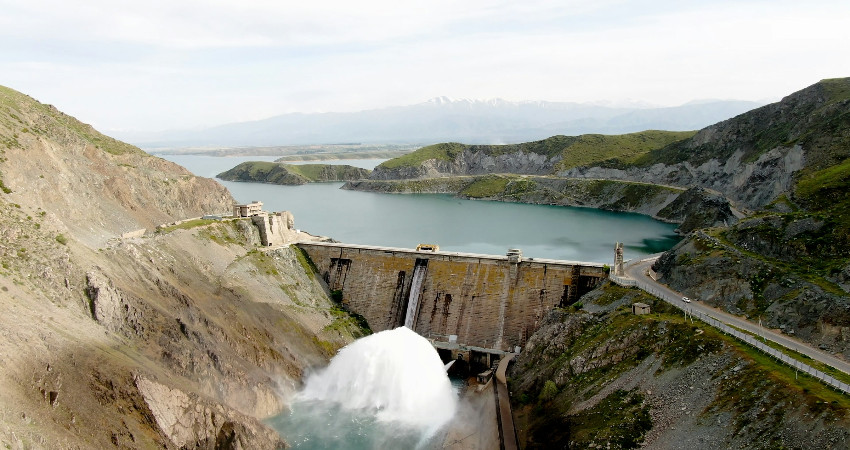
A dam is a barrier built across a river or stream to hold back water. This stored water forms a reservoir, which can be used during dry periods.
In simple terms, a dam gives you control over water. Instead of depending entirely on rainfall, farmers can plan their planting and harvesting around available water.
How Do Dams Help with Food Security?
Food security means that people always have access to enough safe and nutritious food.
Dams support this goal by:
- Providing irrigation water
Farmers can irrigate crops even during dry seasons. This keeps food production steady. - Supplying water for livestock
Animals need water every day. Dams give herders a reliable water source near grazing areas. - Reducing crop failure risk
When rain doesn't fall, crops die. But with dam water, crops can survive and yield even in drought. - Enabling multiple planting seasons
With irrigation, farmers don’t wait for rains. They can plant two or even three times a year. - Boosting local economies
More food means more sales. Farmers earn more. Local markets grow stronger.
Example: Makueni County
Makueni has invested heavily in small dams and sand dams. Farmers there use stored water to grow mangoes, maize, and vegetables. This has reduced hunger levels and increased household incomes.
What Makes a Good Dam for Farming?
Not every dam is useful for agriculture. It depends on how it’s built and managed.
Key features of an effective agricultural dam include:
- Right location
Build where it collects enough runoff but doesn’t displace too many people. - Proper size
Big enough to serve the surrounding community without major environmental damage. - Strong embankments
Poorly constructed walls collapse easily, wasting water and money. - Catchment protection
Nearby trees and grasses prevent erosion and silt buildup. - Access to the water
Farmers must be able to pump or channel water easily.
Challenges with Dam Construction
Building a dam isn’t always easy. Some common issues include:
- High cost
Large dams cost millions to build and maintain. - Land disputes
Who owns the land where the dam sits? Who gets the water? - Environmental impact
Some dams flood farmland or disrupt natural habitats. - Siltation
Without vegetation, soil washes into the reservoir and reduces its storage.
That’s why communities must be involved early—from planning to management.
How You Can Help Your Community Benefit from a Dam
If your area faces frequent droughts, think about these steps:
- Talk to your local leaders
Share your community’s water challenges and possible dam sites. - Engage agricultural officers
They can help assess the soil, terrain, and water needs. - Start small
A simple earth dam or sand dam may be all you need to support small farms. - Protect the catchment
Plant trees and grass around the reservoir to reduce erosion. - Form a user committee
Manage how and when water is shared. Avoid conflict by being organized. - Monitor water use
Don’t overdraw the dam. Plan for maintenance and future dry periods.
Should Kenya Invest More in Dams?
Yes—but with a clear strategy.
Instead of only building massive dams for electricity, the country should support small and medium-sized water storage for agriculture.
Counties like Kitui, Baringo, and Turkana need local water solutions. Big national projects take years. Community-managed dams can start feeding families within months.
What Role Can You Play?
Are you a farmer? A youth leader? A local engineer?
You don’t need to wait for the government. You can:
- Advocate for local funding
- Mobilize your community
- Join existing water committees
- Teach others about sustainable water use
Water is life, but it needs structure. And that structure often begins with a dam.
When farmers have water, they grow more food. When families have food, they are healthier, stronger, and more hopeful.
So next time someone mentions dam construction, don’t just think of cement and bulldozers. Think of vegetables on your table. Milk for your children. Food in the market.
Because food security starts with water, and water begins with a dam.