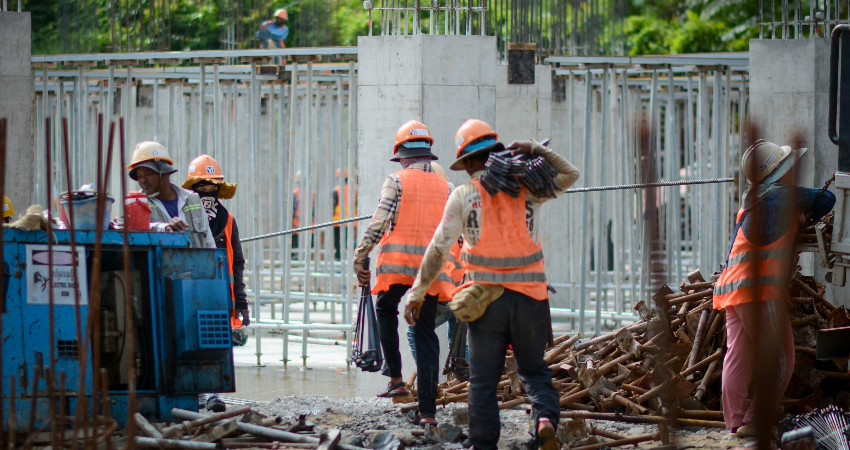
Construction sites are some of the most dangerous workplaces. In Kenya alone, hundreds of workers are injured or killed on construction sites every year. Many of these accidents are preventable.
If you're planning a project—whether a small house or a multi-storey commercial block—safety must be your first concern. Not only for compliance, but to protect people’s lives and reduce delays, lawsuits, and losses.
Here’s a clear list of construction safety standards that every project should meet—no exceptions.
1. Register Your Project with DOSHS
Before breaking ground, you must register your construction site with the Directorate of Occupational Safety and Health Services (DOSHS) under the Ministry of Labour.
This isn't optional. It's a legal requirement under Kenya’s Occupational Safety and Health Act, 2007.
2. Provide Proper Personal Protective Equipment (PPE)
Every worker on site should have:
- A hard hat
- Reflective vest
- Steel-toe boots
- Gloves
- Safety goggles (for masons, welders, and electricians)
- Ear protection (where machinery is in use)
Don’t let workers show up in slippers or casual clothes. This is how accidents happen.
3. Have a Site Safety Officer
A qualified safety officer ensures people follow procedures.
The safety officer should:
- Conduct daily safety briefings
- Monitor high-risk activities
- Record incidents and near misses
- Train new workers on safety rules
On small projects, this role can be done by the site foreman if they are trained. But someone must own their safety.
4. Secure the Site Perimeter
Your site should be enclosed using temporary fencing or a hoarding wall. This keeps out:
- Curious kids
- Thieves
- Pedestrians who might get injured
Add a visible warning sign at the gate: “CONSTRUCTION SITE – KEEP OUT.”
This isn’t just for safety. It also protects your tools, materials, and reputation.
5. Inspect Scaffolding Daily
Improper scaffolding is one of the top causes of site injuries.
Scaffolds must:
- Be built by trained workers
- Sit on stable foundations
- Have handrails and toe boards
- Be checked every morning before work begins
Don’t allow workers to “make do” with shaky planks tied with rope.
6. Use Proper Lifting Equipment
Don’t rely on muscle power alone. If your site involves:
- Heavy concrete slabs
- Roofing materials
- Steel beams
Then use cranes, forklifts, or hoists operated by certified personnel.
This reduces the risk of back injuries, crushed limbs, or dropped materials.
7. Handle Electrical Work With Care
All wiring must be done by licensed electricians. Temporary site lighting should:
- Use weatherproof sockets
- Be clearly marked
- Be switched off at night
Never allow exposed wires or makeshift connections. It only takes one spark to start a fire—or worse.
8. Provide First Aid and Emergency Procedures
Every site should have:
- A stocked first aid kit
- A trained first aid responder
- Emergency contact list (ambulance, hospital, fire department)
- Evacuation plan in case of fire or collapse
Display this information clearly on a notice board at the site.
You don’t want to waste precious minutes in a crisis.
9. Keep the Site Clean
A cluttered site is a dangerous site.
Simple daily cleanup routines can prevent:
- Trips and falls
- Material wastage
- Blocked emergency paths
Assign a worker or team to keep walkways clear, remove sharp offcuts, and organize storage.
10. Report and Record Every Incident
Don’t hide accidents. Even a small injury should be recorded and analyzed. Ask:
- What went wrong?
- Was a rule broken?
- How can we prevent this next time?
This builds a learning culture. And in serious cases, a report may help with insurance claims or legal defense.
Bonus: Involve Everyone
Safety isn’t the site manager’s job alone. Every worker must:
- Speak up when they see a risk
- Report damaged equipment
- Refuse unsafe tasks
You can encourage this by holding weekly toolbox meetings to hear worker feedback and review procedures.
Questions to Ask on Your Site Today
- Are workers wearing full PPE?
- Is the scaffolding stable and inspected?
- Is someone trained in first aid?
- Are electrical tools properly grounded?
- Do we have clear emergency plans?
If the answer to any of these is “no,” you’re not ready to build safely.
Safe construction isn't expensive. Unsafe construction is.
The cost of a helmet is less than the cost of a hospital bed. Choose safety. It protects your workers and your business.