Planning to develop property in Kenya? Great decision. But before you break ground, there are legal boxes you must tick. Missing even one step can stall your project or drain your budget.
Here’s what you need to know to stay on the right side of the law.
1. Confirm Land Ownership and Title Deed
Before anything else, verify that the land you plan to develop is legally owned by the seller.
- Request a copy of the title deed.
- Conduct a land search at the Ministry of Lands or through the eCitizen platform.
- Check for caveats, encumbrances, or disputes.
For example, if you're purchasing a parcel in Kiambu County, ensure the title is freehold or leasehold with no pending issues.
Tip: Use an advocate to handle due diligence and title verification.
2. Conduct a Zoning Check
Counties in Kenya have zoning regulations that define what kind of development is allowed in a particular area.
- Residential, commercial, agricultural, and mixed-use zones have different rules.
- Building a factory in a residential area? That won’t go well with the planning office.
Check with your county's physical planning department to ensure your intended use is allowed in that zone.
3. Get Survey and Subdivision Approvals
If you're developing a large piece of land and intend to subdivide or merge plots, engage a licensed surveyor.
- The surveyor prepares a mutation form.
- You submit it to the Ministry of Lands for approval.
- Once approved, you get new title deeds reflecting the subdivisions.
Skipping this step often leads to legal battles and delays.
4. Obtain Architectural and Structural Drawings
You need approved drawings before applying for permits.
- Hire a registered architect and structural engineer.
- They’ll design the building based on your plans and Kenyan building codes.
- These drawings are submitted to the county government for approval.
Want to build a multi-unit apartment? You must also comply with fire safety and sanitation guidelines in your designs.
5. Apply for a Development Permit
Once your drawings are ready, apply for a development permit from your local county government.
This is one of the most crucial approvals. Don’t start building without it.
6. NEMA Environmental Impact Assessment (EIA)
For large-scale or sensitive developments (like housing estates, petrol stations, or factories), you must get clearance from the National Environment Management Authority (NEMA).
- Hire a registered environmental expert to conduct an EIA study.
- Submit the report to NEMA.
- Public participation is often required.
Approval from NEMA means your project meets environmental standards.
7. Pay Land Rates and Land Rent
Land rates and rent are annual payments due to the county government and the Ministry of Lands.
- Land rent applies to leasehold properties.
- Land rates apply to all properties and are paid to the county.
Always clear your arrears before applying for approvals. You’ll need the clearance certificate.
8. Register the Building Upon Completion
After construction, register your building with the county government.
This allows it to be included in property databases and taxed appropriately. It also makes it easier for utility connections like electricity and water.
9. Comply with Building Codes and Inspections
During construction, expect site visits from county engineers and public health officers.
- They check for safety, sanitation, and compliance.
- Ignoring inspections can lead to stop orders.
Work closely with your project manager and foreman to ensure compliance.
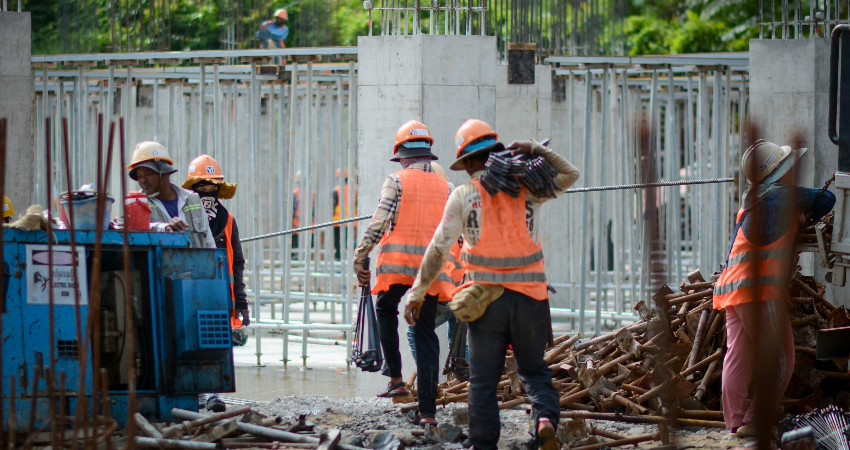
10. Follow Labour and Safety Laws
Ensure all workers on site are protected under Kenyan labour laws.
- Provide protective gear.
- Register with NSSF and NHIF.
- Observe OSHA regulations.
This protects both your team and your reputation.
Questions You Should Ask Yourself
- Do I have all the permits before construction begins?
- Have I verified that my project aligns with county zoning?
- Am I ready for inspections and compliance checks?
Asking these questions early saves you money, time, and frustration.
Wrap-Up
Getting started on a property development project in Kenya isn't just about capital or design. Legal compliance is key.
Work with qualified professionals—surveyors, architects, engineers, and lawyers—to get everything done right from day one.
When you understand the legal path clearly, your project flows smoothly, and you avoid roadblocks that derail so many developers.