Mixed-use developments are becoming more common in Kenya. You’ve likely seen one—buildings that combine homes, offices, shops, and even schools in a single space. Instead of having to drive across town for groceries or work, people can do most things within walking distance.
But why are these projects gaining traction, and how can you take advantage of this trend?
What Is a Mixed-Use Development?
A mixed-use development combines residential, commercial, and sometimes institutional spaces in one planned area. It could be:
- A building with shops on the ground floor and apartments above.
- A gated community with offices, schools, and housing units.
- A small town center with banks, gyms, and medical clinics.
The key is integration. Instead of separating homes and businesses into different zones, these developments bring everything together.
Why Are They Gaining Popularity?
1. Convenience
People want to save time. If you live in a place where you can access groceries, schools, workspaces, and gyms without long commutes, life becomes easier.
For example, at Two Rivers in Nairobi, you can shop, work, and live in one location. Same goes for Garden City and Crystal Rivers. This setup appeals to young professionals, families, and retirees alike.
2. Higher Land Use Value
In urban areas where land is expensive, combining functions helps developers get more returns from one plot. Instead of building just apartments, you can add offices or retail spaces that bring steady rental income.
3. Urban Growth and Devolution
Cities like Nakuru, Kisii, and Eldoret are growing fast. As these towns expand, demand for self-contained communities is increasing. A development that serves multiple purposes meets the needs of a growing urban population.
4. Changing Work Patterns
Remote work is common now. People want co-working spaces near home. Mixed-use properties offer the flexibility for both work and lifestyle without commuting to the CBD.
Real Examples in Kenya
- Garden City: Combines a mall, apartments, and office spaces along Thika Road.
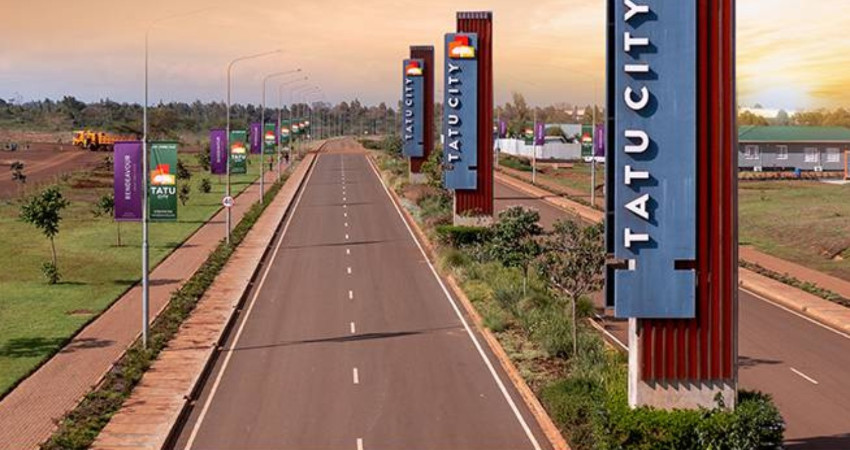
- Tatu City: A large-scale mixed-use city with schools, homes, factories, and shops.
- Kileleshwa & Kilimani Blocks: Smaller-scale buildings with salons, pharmacies, and homes in one block.
These projects are already setting the standard for future developments.
Benefits for Developers
If you're a developer, a mixed-use project can help you:
- Diversify income: Get rent from shops, offices, and homes.
- Reduce risk: If residential units take longer to sell, retail units might offset the cash flow.
- Increase property value: Properties with multiple uses attract long-term tenants and buyers.
What to Consider Before Starting
1. Location
Is the area ready for mixed-use? High-traffic locations or growing towns are better suited. A project near highways, public transport, or universities will attract more users.
2. Infrastructure
You’ll need strong water, power, and waste systems. Without these, your property won’t handle multiple uses.
3. Zoning and Approvals
Counties have rules on what you can build where. Nairobi and Kiambu have areas zoned for mixed-use, but some still restrict commercial activity.
Visit your local county office or consult a physical planner before you buy land or start construction.
4. Target Market
Are you targeting families, professionals, or students? Your mix of housing, retail, and services should match the people expected to use them.
For instance, if you're building near a university, offer student housing, cafes, copy shops, and budget groceries.
5. Management
Mixed-use developments need good property managers. Conflicts can arise between residents and shop owners over noise, waste, and security.
Have clear rules, hire professionals, and ensure all units work together without friction.
Should You Invest or Develop One?
If you own land in a growing town or city suburb, consider a mixed-use plan. You can:
- Sell or lease commercial units to reduce initial costs.
- Build in phases—start with rentals, then expand.
- Partner with investors or SACCOs to reduce risk.
Be realistic. Start small if you’re new. A simple setup with shops and apartments can still deliver value.
Final Thoughts
Mixed-use developments are here to stay. They offer convenience, better land use, and long-term returns. Whether you're an investor, developer, or future homeowner, understanding how they work gives you an edge.
So, what could your land do if it served more than one purpose?
Before you build, think mixed-use. It might be the smart move you’ve been waiting for.